Human movement analysis is entering a new era driven by advances in computer vision and machine learning. Accurate estimation of body pose, shape, motion, forces, and joint dynamics is crucial for translating visual data into meaningful biomechanical insights. Yet, challenges such as data variability, limited annotations, and domain generalization persist. This workshop explores emerging intersection of computer vision and biomechanics, bringing together researchers and practitioners to discuss new methods, datasets, and applications that bridge perception and physical understanding enabling precise, data-driven insights and extending the impact of vision-based biomechanics across diverse domains such as rehabilitation, sports performance, and injury prevention.
Important Dates
January 23- Submission OpensMarch 15- Submission DeadlineApril 10- NotificationApril 22- Camera Ready- June 3, 1pm-6pm, Room 112 - Workshop
Invited Speakers
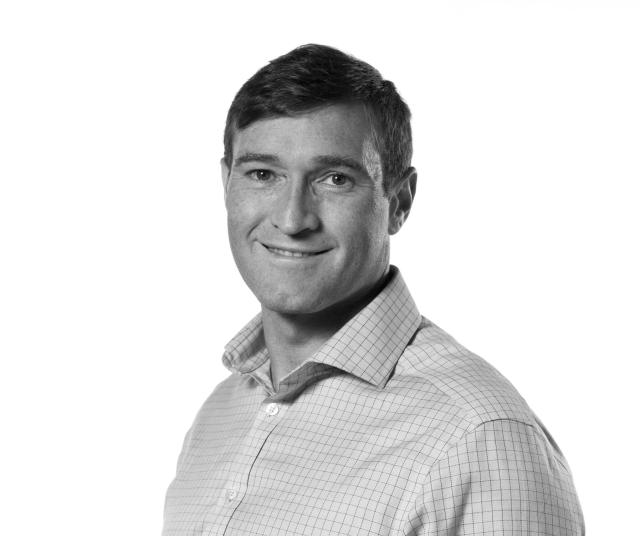
R. James Cotton, Northwestern University
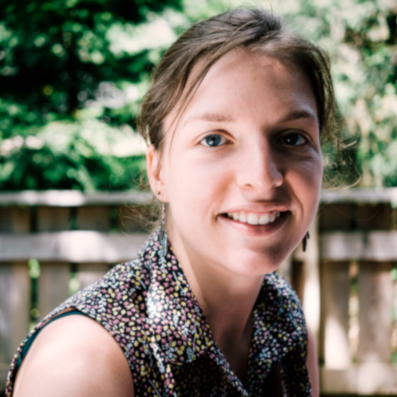
Marilyn Keller, ETH Zurich
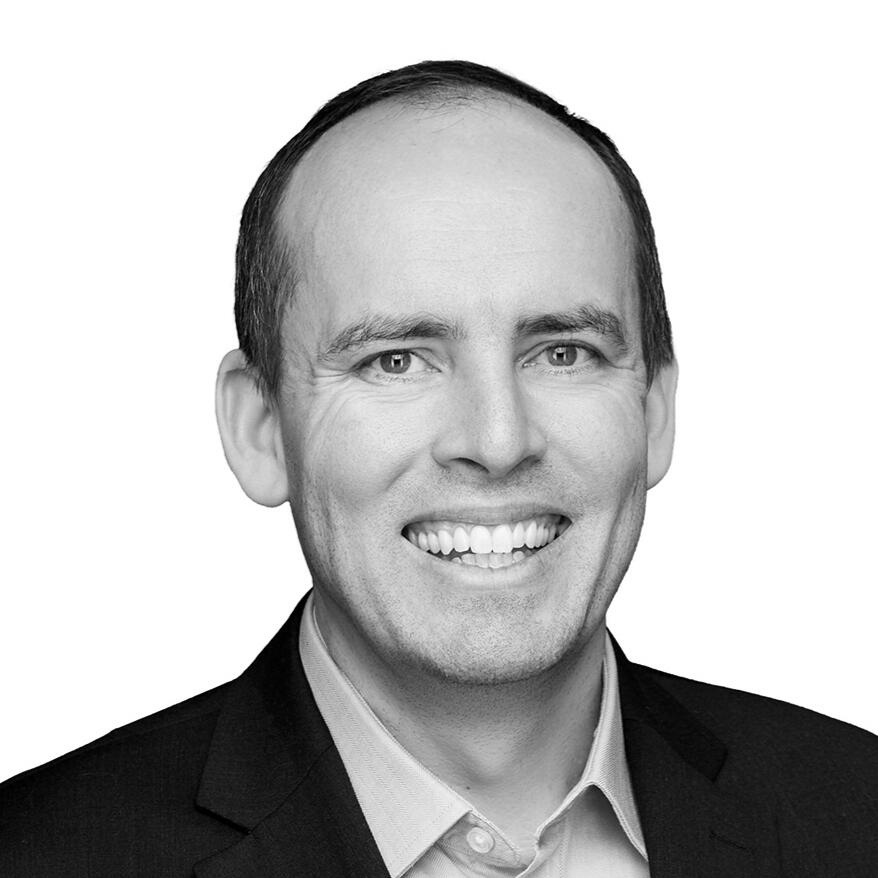
Patrick Lucey, Stats Perform
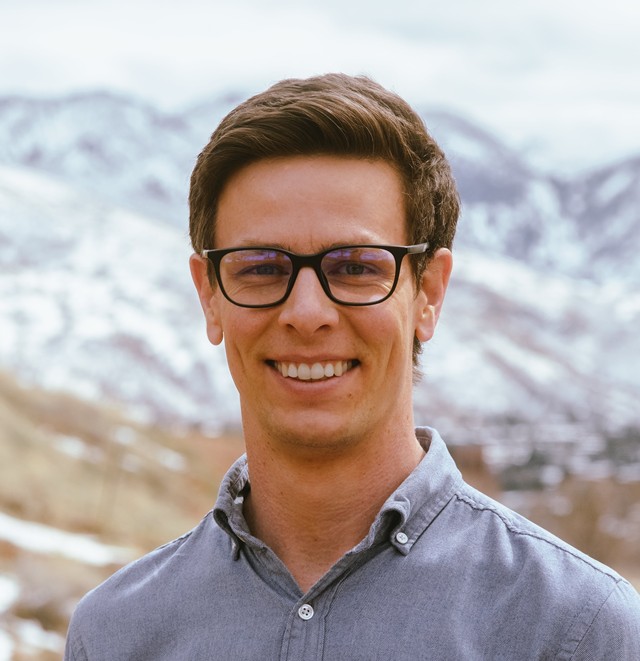
Scott Uhlrich, University of Utah
Program
| Time | Presenter |
|---|---|
| 13:00 | Ethan Goan - Queensland University of Technology (Opening Remarks) |
| 13:15 | Scott Ulrich - Director of Research Human Performance Laboratory, University of Utah |
| 14:00 | Patrick Lucey - Chief Scientist - Stats Perform |
| 15:00 | Poster Session + Coffee Break - (Poster Boards 120-125) |
| 16:15 | R. James Cotton - Assistant Professor Northwestern University |
| 17:00 | Marilyn Keller - ETH Zurich |
| 17:50 | Clinton Fookes and Akila Hewa Thondilege - BiomotionAI |
Accepted Papers
Fall Risk and Gait Analysis in Community-Dwelling Older Adults using World-Spaced 3D Human Mesh Recovery — Chitra Banarjee, Patrick Kwon, Ania L. Lipat, Rui Xie, Chen Chen, Ladda Thiamwong
WebBioAuth: Privacy-Preserving Multimodal Biometric Authentication in the Browser — Garthigan Kumarasamy, Uthayasanker Thayasivam
Robustness of markerless biomechanical analysis using pose2sim: a sensitivity study on transmission and privacy constraints for cloud-based computation — Hardy Corentin, Erwan Fertray, Guillo Laurent, Charles Pontonnier, Pierre Hellier
Towards Equitable Biomechanics: Rethinking Vision-Based Biomechanics for Resource-Limited Settings with Resourceful Design Strategies — Rune Chi Zhao, Xiuyuan Yuan
Does Lower MPJPE Mean Better Biomechanics? Evaluating Joint Angle Fidelity of State-of-the-Art 3D Pose Estimation Models — Jason Wang, Stephen Baek, Natalie Kupperman
GHOST: Gaussian splatting for Human Osteoarticular Structure Tracking from Video — Guillaume Le Guludec, Hardy Corentin, Laurent Albera, Charles Pontonnier, Pierre Hellier
Large-Scale 3D Pose Estimation of Professional Tennis Serves from Broadcast Video — Jason Wang, Stephen Baek, Robert Chen, Patrick Ho, Emmy Kim, Samuel Min, Jaden Shim, Vrishak Vemuri, Derek Wang, Natalie Kupperman
MuscleMimic: Unlocking full-body musculoskeletal motor learning at scale — Chengkun Li, Cheryl Wang, Bianca Ziliotto, Merkourios Simos, Guillaume Durandau, Alexander Mathis
OpenCap Monocular: 3D Human Kinematics and Musculoskeletal Dynamics from a Single Smartphone Video — Selim Gilon, Emily Y. Miller, Scott D Uhlrich
An Observer-Egocentric Approach to Real-World Gait Analysis — Alexis Cantaloube, Julien Favre
Validity of Monocular Human Mesh Reconstruction for Estimating Lower-Extremity Joint Kinematics: A Comparison of SAM3D and CameraHMR — Ahmadreza Souri, Siddhartha Sikdar, Tiphanie E Raffegeau
Call for Papers
Submission Link can be found here.
This workshop will be accepting short papers (4 pages excluding references and appendix). Topics of interest for this workshop include, but are not limited to,
- Computer vision for injury prevention and rehabilitation monitoring
- Computer vision for movement disorder assessment
- Vision-based musculoskeletal modeling and simulation
- Physics informed neural networks for musculoskeletal modeling and simulation
- Predicting ground reaction forces and center of pressure from video data
- Multimodal data fusion: integrating vision with wearable sensors for better biomechanics
- Open datasets, benchmarks, and reproducibility in biomechanical vision research
- Ethics, privacy, and fairness in vision-based biomechanics
- Clinical evaluation metrics and explainable models for computer vision enabled biomechanics
- Privacy preserving approaches to enable computer vision for biomechanical analysis
- Deploying vision-based biomechanics in low-resource settings and on consumer grade devices
Researchers interested in contributing should upload a short paper of up to 4 pages (not counting references and appendices) by March 15, 2026, 23:59 AoE. The link for submission is available through OpenReview here. References and supplementary material can exceed 4 pages. Please upload a single PDF that includes the main paper and any supplementary material. Submissions that exceed 4 pages or submissions with significant formatting violations will be rejected.
Authors should use the same CVPR LaTeX style provided on the main website here. (If clicking on the link does not work, please copy the link and paste in your browser tab). Submissions don’t need to be anonymized. The workshop allows submissions of papers that are under review or have been recently published in a conference or a journal. Authors should state any overlapping published work at the time of submission. The workshop will not have any official proceedings, so it is non-archival.
All submissions will be reviewed and will be evaluated on the basis of their technical content. Accepted papers will be selected for either a short oral presentation and/or poster presentation.
Following CVPR review guidelines, authors of papers may be recruited as reviewers for this workshop.
If you have any questions or difficulty submitting your paper, contact us at cvbw2026@gmail.com.
Organising Team
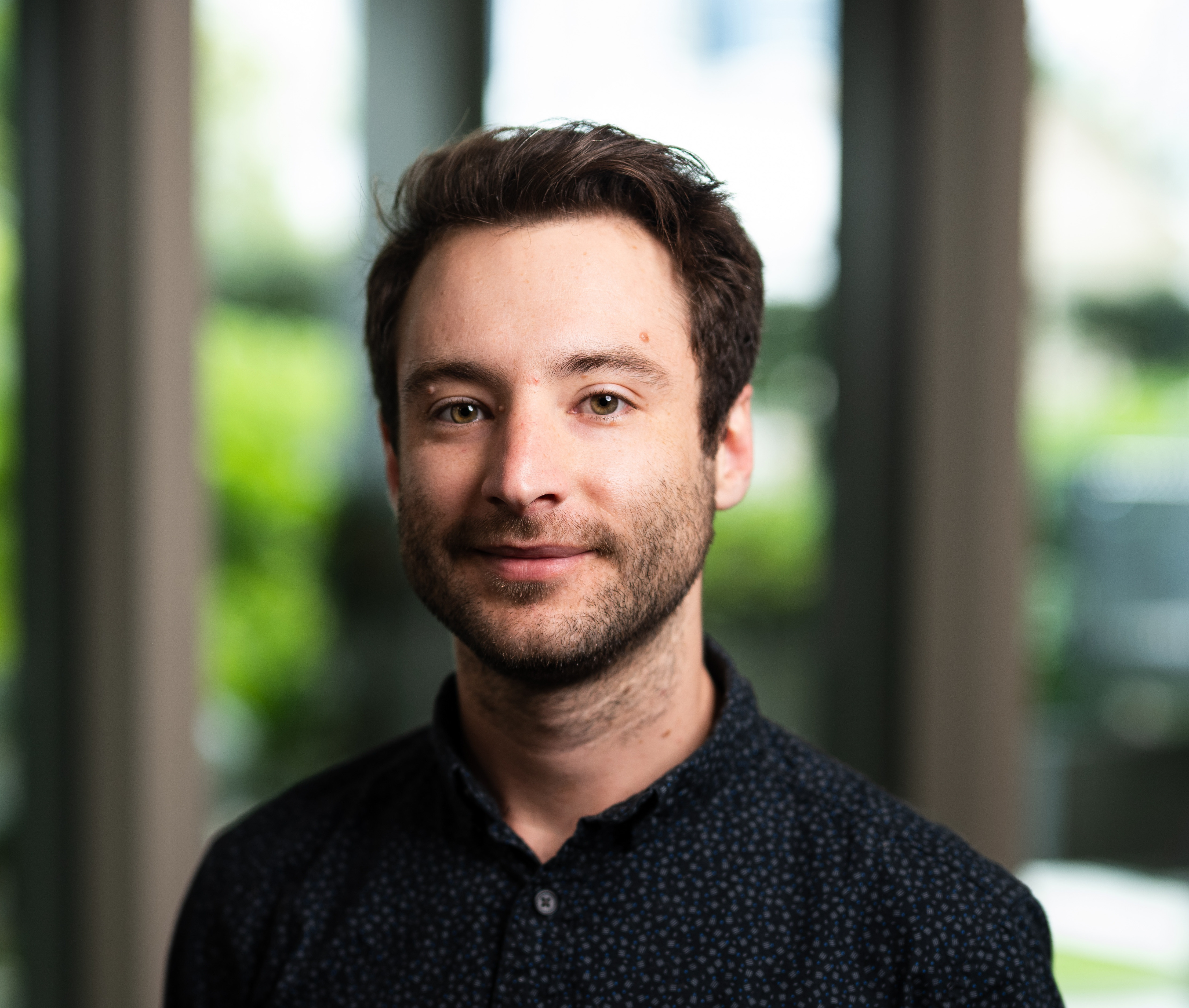
Ethan Goan, QUT
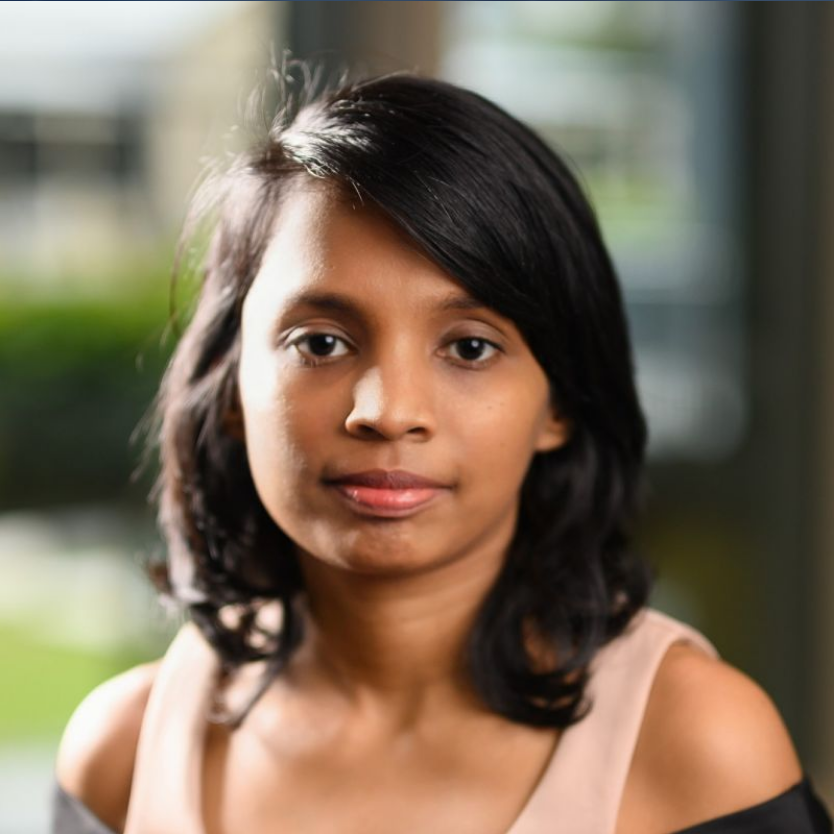
Akila Hewa Thondilege, QUT
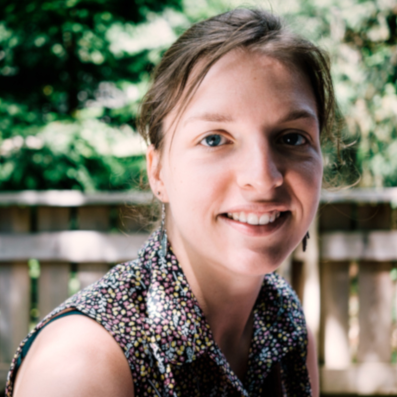
Marilyn Keller, ETH Zurich
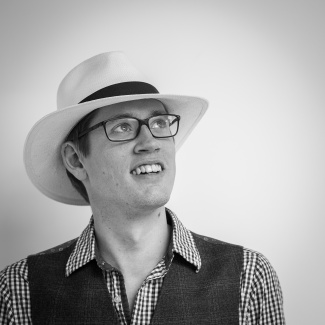
Neil D. Campbell, University College London
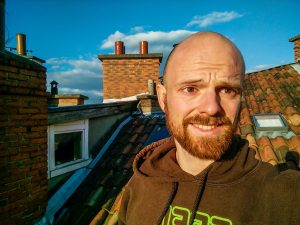
David Pagnon, University of Bath

Dario Cazzola, University of Bath
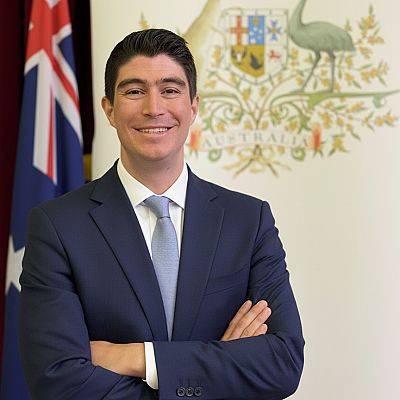
David Ahmedt, CSIRO
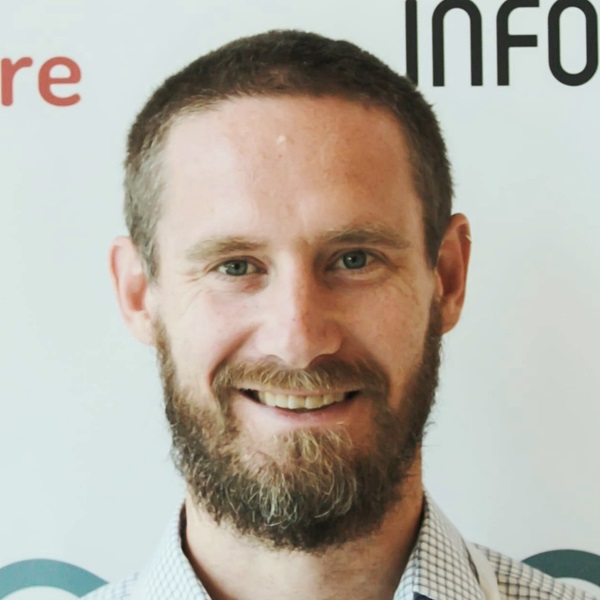
Simon Harrison, CSIRO
Luke Kelly, Griffith University
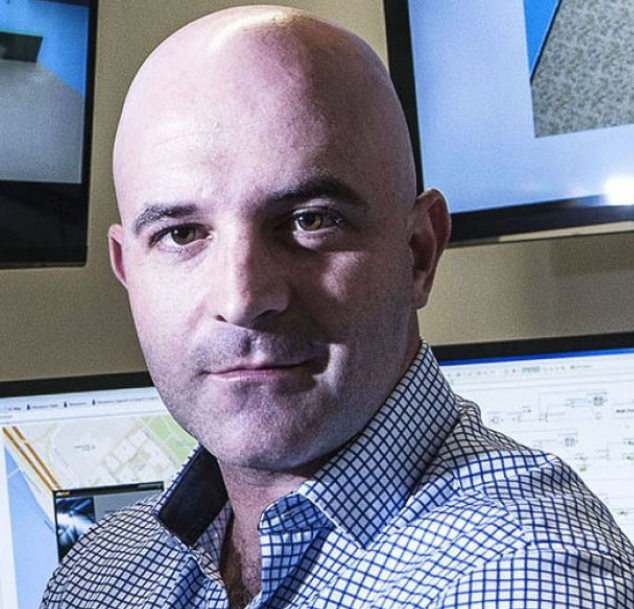
Clinton Fookes, QUT
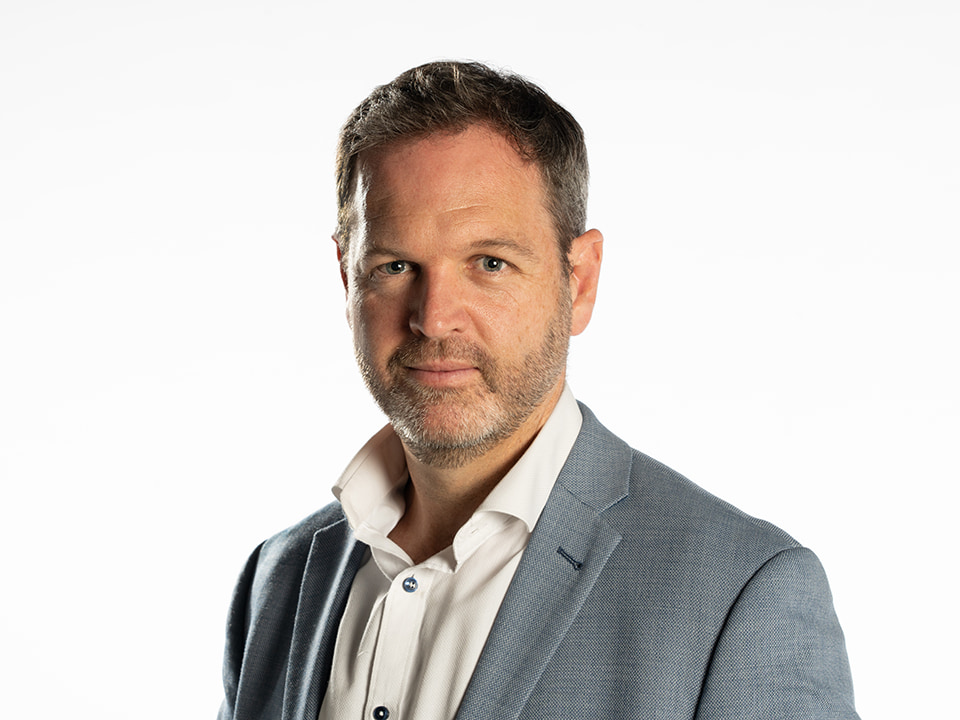
Glen Lichtwark, QUT